


mcw | Exploring the Digital World: The Rise and Appeal of Simulation Games
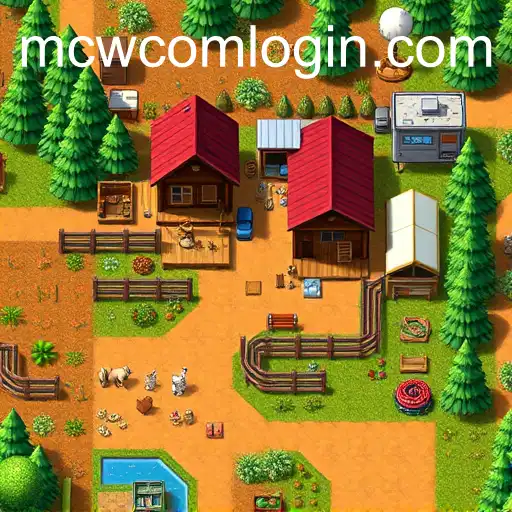
In the ever-evolving landscape of digital entertainment, simulation games have carved out a unique niche that continues to captivate players across the globe. Defined by their focus on realism and allowing players to experience scenarios that mimic real-life or imaginative activities, simulation games have become a staple in the gaming industry. With 'mcw' as a prominent keyword, it's clear that online platforms recognize the widespread interest and search frequency for such games.
The allure of simulation games lies in their ability to transport players to a variety of settings, each governed by its own rules and challenges. From managing a farm complete with crops and livestock in titles like Stardew Valley to strategizing the growth of a thriving metropolis in games such as SimCity, players are offered the chance to engage with complex systems and witness the outcomes of their decisions in real-time.
What sets simulation games apart from other genres is their reliance on creativity and problem-solving skills. Players are often presented with open-ended situations where there is no single 'correct' path to success. This freedom allows individuals to craft their narratives, making choices that align with personal interests and strategies. This intrinsic engagement can vary greatly depending on the theme of the simulation. For instance, while one game might test a player's ability to manage resources effectively, another might focus on social dynamics or personal growth within a communal setting.
Moreover, advancements in technology have significantly enhanced the immersive experience of simulation games. With improved graphics, intricate AI-driven characters, and detailed environments, these games can mimic real-world experiences to an astonishing degree, drawing players deeper into the alternate realities they create for themselves. Virtual reality has even begun to play a role in some simulation titles, further blurring the lines between digital and physical environments.
Another compelling facet of simulation games is their educational potential. Many educators have recognized the value of using these games in classroom settings, providing students with interactive experiences that complement traditional learning methods. From medical simulations used to train future doctors to business simulations that impart financial management skills, the potential applications of these games are virtually limitless.
In addition to their entertainment and educational value, simulation games also offer players a sense of accomplishment and progression. The satisfaction derived from mastering a virtual skill or successfully completing complex tasks mirrors the gratification found in real-world achievements.
As the gaming industry continues to expand, so too does the sophistication and variety of simulation games. With a constant influx of new titles and innovative concepts, these games will undoubtedly remain a favorite among players who value creativity, strategy, and the ability to explore worlds where they determine the rules. In an era where digital interaction is at an all-time high, the continued popularity of simulation games is a testament to their unique appeal and versatility.
